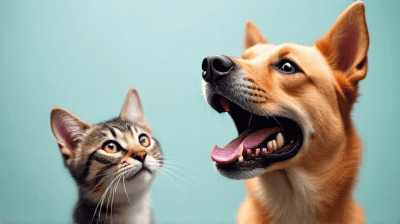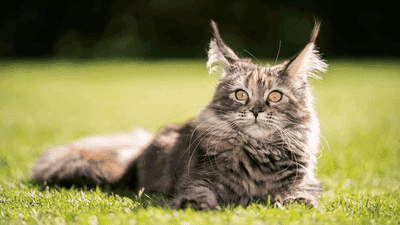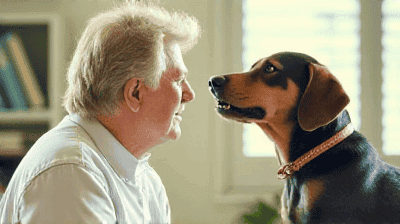
Grooming is an essential part of pet care, but for many pets (and their owners), it can be a stressful experience. Whether it’s brushing, bathing, nail trimming, or ear cleaning, grooming is often met with resistance, anxiety, or even fear from our furry friends. However, with the right training and techniques, you can help your pet stay calm and cooperative during grooming sessions.
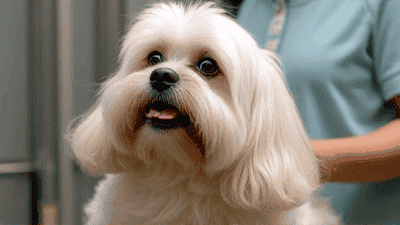
Grooming is an essential part of pet care, but for many pets (and their owners), it can be a stressful experience. Whether it’s brushing, bathing, nail trimming, or ear cleaning, grooming is often met with resistance, anxiety, or even fear from our furry friends. However, with the right training and techniques, you can help your pet stay calm and cooperative during grooming sessions.
1. Why Is Grooming Important?
Health Benefits
Regular grooming helps maintain your pet’s overall health by:
- Preventing matting and skin infections
- Reducing the risk of ear infections
- Keeping nails at a safe length
- Promoting a healthy coat and skin
Bonding Opportunity
Grooming can strengthen the bond between you and your pet when done in a calm and positive manner. It’s a chance to show your pet love and care while meeting their physical needs.
2. Common Challenges in Pet Grooming

Fear and Anxiety
Many pets associate grooming with negative experiences, such as discomfort or restraint. This can lead to fear and anxiety during grooming sessions.
Sensitivity to Touch
Some pets are naturally sensitive to being touched in certain areas, such as their paws, ears, or tail.
Lack of Familiarity
Pets who are not accustomed to grooming tools or routines may feel overwhelmed or confused.
3. Preparing Your Pet for Grooming
Start Early
Introduce grooming to your pet as early as possible, especially during their puppy or kitten stage. Early exposure helps them become accustomed to the process.
Create a Calm Environment
Choose a quiet, comfortable space for grooming where your pet feels safe. Avoid loud noises or distractions that could increase their anxiety.
Gather the Right Tools
Use appropriate grooming tools for your pet’s size, coat type, and specific needs. For example:
- Brushes or combs for detangling
- Pet-safe shampoos for bathing
- Nail clippers or grinders for trimming
- Cotton balls or pads for ear cleaning
4. Training Your Pet to Be Calm During Grooming
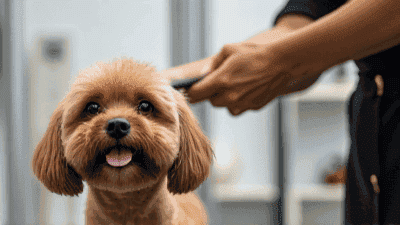
Step 1: Desensitization
Desensitization involves gradually introducing your pet to grooming tools and procedures in a positive and non-threatening way. Here’s how:
- Let your pet sniff and explore grooming tools before using them.
- Touch your pet gently with the tools without performing the actual grooming task.
- Reward your pet with treats and praise for calm behavior.
Step 2: Positive Reinforcement
Use positive reinforcement to create a positive association with grooming. Reward your pet with treats, praise, or playtime after each step of the grooming process. This helps them understand that grooming leads to good things.
Step 3: Short and Sweet Sessions
Keep grooming sessions short, especially in the beginning. Gradually increase the duration as your pet becomes more comfortable. This prevents overwhelming your pet.
Step 4: Practice Handling
Teach your pet to tolerate being touched in sensitive areas by practicing gentle handling. For example:
- Hold and massage their paws to prepare for nail trimming.
- Lift and touch their ears to prepare for ear cleaning.
- Stroke their tail and hindquarters to prepare for brushing.
Step 5: Use a Calm Voice and Body Language
Your pet can pick up on your energy, so stay calm and relaxed during grooming. Speak in a soothing voice and avoid sudden movements.
5. Specific Grooming Techniques
Brushing
- Choose the right brush for your pet’s coat type (e.g., slicker brush for long hair, bristle brush for short hair).
- Start with gentle strokes and gradually work through tangles.
- Reward your pet with treats and praise for staying calm.
Bathing
- Use lukewarm water and pet-safe shampoo.
- Wet your pet’s coat gradually, starting from the neck down.
- Massage the shampoo into their coat and rinse thoroughly.
- Dry your pet with a towel or pet-safe blow dryer on a low setting.
Nail Trimming
- Use sharp, pet-safe nail clippers or a grinder.
- Hold your pet’s paw gently and trim the tip of the nail, avoiding the quick (the sensitive part of the nail).
- Reward your pet after each nail is trimmed.
Ear Cleaning
- Use a pet-safe ear cleaning solution and cotton balls or pads.
- Gently lift your pet’s ear and apply the solution.
- Wipe away dirt and debris with the cotton ball.
- Avoid inserting anything deep into the ear canal.
6. Troubleshooting Common Issues

Resistance to Grooming
If your pet resists grooming, take a break and try again later. Gradually build their tolerance by breaking the process into smaller steps.
Fear of Specific Tools
If your pet is afraid of a particular tool, such as clippers or a blow dryer, desensitize them by introducing the tool slowly and pairing it with treats and praise.
Aggression or Anxiety
For pets with severe anxiety or aggression, consult a professional trainer or behaviorist. They can help address underlying issues and create a customized training plan.
7. Tips for Different Types of Pets
Dogs
- Start grooming early, especially for breeds that require regular maintenance, such as Poodles or Shih Tzus.
- Use a grooming table or non-slip mat to keep your dog steady.
Cats
- Introduce grooming gradually and use gentle techniques.
- Use a soft brush for short-haired cats and a de-matting tool for long-haired cats.
Small Animals (e.g., Rabbits, Guinea Pigs)
- Handle small animals gently and support their body at all times.
- Use small brushes or combs designed for their size and coat type.
Birds
- Use a spray bottle to mist your bird’s feathers for bathing.
- Trim nails and beak carefully with specialized tools.
8. When to Seek Professional Help
Complex Grooming Needs
If your pet has a thick, matted coat or requires specialized grooming techniques, consider seeking help from a professional groomer.
Behavioral Issues
For pets with severe anxiety, aggression, or fear of grooming, consult a veterinarian or animal behaviorist. They can provide guidance and, if necessary, recommend calming aids or medications.
Conclusion
Training your pet to be calm during grooming is a process that requires patience, consistency, and positive reinforcement. By creating a calm environment, introducing grooming gradually, and rewarding good behavior, you can transform grooming from a stressful chore into a bonding experience. Remember to tailor your approach to your pet’s unique needs and personality, and don’t hesitate to seek professional help if needed. With time and practice, your pet will learn to associate grooming with comfort and care, making it a positive routine for both of you.